Solutions and transitions
The environmental challenges facing our planet demand more than incremental changes—they require fundamental transformations in how we produce energy, consume resources, move around, and interact with natural ecosystems. These ecological transitions represent a profound shift from extractive, linear systems toward regenerative models that work in harmony with planetary boundaries. Far from being abstract concepts, these transitions are already underway in communities worldwide, driven by technological innovation, policy changes, and grassroots movements.
Understanding the pathways toward sustainability empowers each of us to make informed decisions and contribute meaningfully to collective change. This exploration examines the core pillars of environmental transitions—from clean energy systems to circular economies, from sustainable food production to ecosystem restoration—providing a comprehensive foundation for anyone seeking to navigate and participate in the most critical transformation of our time.
Why Environmental Transitions Matter Now
The scientific consensus is unequivocal: current patterns of resource consumption, greenhouse gas emissions, and biodiversity loss are pushing Earth’s systems toward critical thresholds. Temperature increases, extreme weather events, ocean acidification, and mass extinctions are no longer distant threats but observable realities affecting communities across every continent.
Yet this urgency is matched by unprecedented opportunity. The technologies, knowledge, and economic models needed for sustainable development already exist or are rapidly emerging. Renewable energy costs have plummeted, making solar and wind power competitive with fossil fuels in most markets. Circular economy principles are reshaping manufacturing and waste management. Regenerative agriculture is demonstrating how food production can restore soil health rather than deplete it.
The question is no longer whether transitions are possible, but how quickly they can be implemented and scaled. Every sector—energy, transportation, agriculture, industry, construction—offers specific opportunities for transformation that collectively determine whether we limit warming and preserve livable conditions for future generations.
Energy Transition and Renewable Power Systems
Energy production accounts for the largest share of global carbon emissions, making the shift from fossil fuels to renewable sources the cornerstone of climate action. This transition involves not just new power generation technologies, but fundamental restructuring of energy infrastructure and consumption patterns.
Solar, Wind, and Emerging Technologies
Solar photovoltaic panels and wind turbines have become the fastest-growing energy sources globally, with installation rates accelerating each year. Solar energy harnesses photons from sunlight to generate electricity through semiconductor materials, while wind turbines convert kinetic energy from air movement into electrical power. Both technologies have seen dramatic cost reductions—solar panel prices have dropped by over 90% in the past decade—making them economically attractive options for both utility-scale projects and individual households.
Beyond these established technologies, innovations in geothermal energy tap into Earth’s internal heat, hydroelectric systems harness flowing water, and emerging solutions like tidal power and green hydrogen production expand the renewable toolkit. Each geography offers different advantages: coastal regions benefit from offshore wind potential, sun-rich areas excel in solar deployment, and volcanic regions can leverage geothermal resources.
Energy Storage and Grid Modernization
Renewable energy’s variable nature—the sun doesn’t always shine, wind doesn’t always blow—requires robust storage solutions and intelligent grid management. Battery technology, particularly lithium-ion systems, has advanced significantly, enabling storage of surplus renewable energy for use during peak demand or low production periods. Pumped hydro storage, compressed air systems, and thermal storage provide additional options at different scales.
Smart grids use digital technology to balance supply and demand in real-time, integrating distributed energy sources like rooftop solar while optimizing efficiency. These modernized networks can redirect power flows, predict consumption patterns, and enable consumers to become active participants in energy systems rather than passive recipients.
Sustainable Mobility and Transportation Revolution
Transportation systems currently contribute roughly one-quarter of energy-related carbon emissions globally. Transforming how people and goods move requires coordinated changes in vehicle technology, infrastructure investment, and urban planning philosophies.
Electric Vehicles and Alternative Fuels
Electric vehicles (EVs) eliminate tailpipe emissions and, when powered by renewable electricity, dramatically reduce transportation’s climate impact. Battery electric vehicles use stored electrical energy to power motors, while plug-in hybrids combine electric and combustion systems. Recent advances have extended driving ranges beyond 300 miles per charge, addressed “range anxiety,” and improved charging speeds to competitive levels.
For heavy transport applications like shipping and aviation where batteries remain impractical due to weight constraints, alternative fuels including green hydrogen, sustainable aviation fuels derived from biomass, and synthetic fuels offer pathways to decarbonization. Each application requires tailored solutions matched to specific technical requirements and use patterns.
Public Transport and Active Mobility
Individual vehicle ownership, regardless of propulsion technology, cannot sustainably accommodate growing urban populations. High-quality public transportation systems—electric buses, light rail, subways, and commuter trains—move far more people per unit of energy and space than private cars. Cities investing in comprehensive transit networks, dedicated bus lanes, and integrated ticketing systems demonstrate significantly lower per-capita emissions.
Active mobility options including walking and cycling infrastructure create health co-benefits while producing zero emissions. Protected bike lanes, pedestrian zones, bike-sharing programs, and compact, mixed-use urban development reduce transportation distances and make car-free lifestyles practical and appealing.
Circular Economy and Resource Management
The linear “take-make-dispose” economic model that dominated industrial development is fundamentally incompatible with planetary boundaries. Circular economy principles reimagine material flows as closed loops where waste becomes feedstock, products are designed for longevity and repair, and resource extraction is minimized.
Reduction, Reuse, and Design Innovation
The waste hierarchy prioritizes prevention over management: the most sustainable waste is that which is never produced. Product design innovations extend lifespan through modular construction, standardized components, and repairable architecture. The “right to repair” movement challenges planned obsolescence by ensuring consumers can fix products rather than replace them.
Sharing economy models maximize utilization rates—car-sharing, tool libraries, clothing rental services—allowing multiple users to access products without individual ownership. Business models shift from selling products to providing services, incentivizing manufacturers to create durable, maintainable goods since they retain ownership and responsibility throughout the product lifecycle.
Advanced Recycling and Material Recovery
When products do reach end-of-life, sophisticated recycling technologies recover valuable materials for reintegration into manufacturing. Mechanical recycling processes separate and reprocess materials like metals, glass, and certain plastics. Chemical recycling breaks down polymers into constituent molecules for reformation into virgin-quality materials. Urban mining extracts precious metals from electronic waste, often at higher concentrations than natural ore deposits.
Effective circular systems require coordinated infrastructure: collection networks, sorting facilities utilizing AI and robotics, reprocessing plants, and markets for recycled materials. Extended producer responsibility policies make manufacturers accountable for products’ entire lifecycles, creating incentives for recyclable design.
Sustainable Food Systems and Agricultural Transformation
Food production profoundly impacts climate, biodiversity, water resources, and land use. Current industrial agriculture contributes roughly one-quarter of greenhouse gas emissions while driving deforestation and ecosystem degradation. Transforming food systems toward sustainability involves changes at every stage from field to fork.
Plant-Forward Diets and Protein Diversification
Animal agriculture, particularly ruminant livestock, generates substantial methane emissions and requires vastly more land and water than plant-based protein sources. Shifting toward plant-forward diets—emphasizing vegetables, legumes, whole grains, nuts, and fruits while reducing meat and dairy consumption—represents one of the highest-impact individual actions for climate mitigation.
This doesn’t necessarily mean complete elimination of animal products, but rather rebalancing ratios. Emerging alternatives including plant-based meat substitutes, precision fermentation proteins, and cultivated meat grown from cell cultures provide options that replicate familiar textures and flavors while dramatically reducing environmental footprints.
Regenerative and Organic Agriculture
Regenerative farming practices work with natural processes to restore soil health, sequester carbon, and enhance biodiversity. Techniques include crop rotation, cover cropping, reduced tillage, integration of livestock, and agroforestry systems that combine crops with tree planting. These methods build soil organic matter, improving water retention and fertility while drawing atmospheric carbon into the ground.
Organic agriculture eliminates synthetic pesticides and fertilizers, protecting pollinators and water quality. Local food systems reduce transportation emissions and support regional economies. Urban agriculture—rooftop gardens, vertical farms, community plots—reconnects city dwellers with food production while providing fresh produce in food deserts.
Nature-Based Solutions and Ecosystem Restoration
Natural ecosystems provide irreplaceable services—climate regulation, water purification, flood control, pollination—while supporting biodiversity. Nature-based solutions harness ecosystem functions to address environmental challenges, offering cost-effective approaches that deliver multiple co-benefits.
Forest restoration and protection programs sequester carbon while providing habitat for countless species. Wetland conservation filters water, buffers storm surges, and supports fish populations. Mangrove restoration protects coastlines from erosion while creating nurseries for marine life. Urban green infrastructure including parks, green roofs, and bioswales manages stormwater, reduces heat island effects, and improves air quality.
Rewilding initiatives allow degraded lands to recover through natural succession, sometimes reintroducing keystone species that trigger cascading ecological benefits. Marine protected areas safeguard ocean ecosystems, allowing fish stocks to rebound and coral reefs to recover. These approaches recognize that healthy ecosystems are humanity’s most important infrastructure, deserving investment and protection.
From Individual Action to Collective Transformation
Environmental transitions ultimately succeed through combination of personal choices, community initiatives, business innovation, and policy frameworks working in concert. Individual actions—adopting renewable energy, choosing sustainable transportation, reducing consumption, supporting responsible businesses—create market signals and cultural shifts that enable systemic change.
Community-level projects including renewable energy cooperatives, local food networks, repair cafes, and conservation groups build resilience while strengthening social bonds. Businesses adopting sustainable practices demonstrate that profitability and environmental responsibility can align, driving industry-wide transformations.
Policy frameworks establish the rules that shape markets and behaviors. Carbon pricing mechanisms, renewable energy standards, building efficiency codes, protected area designations, and circular economy regulations create conditions where sustainable choices become default options. Democratic engagement—voting, advocacy, public participation in planning processes—determines the ambition and pace of these transitions.
The environmental transitions required this century are profound, yet they’re already demonstrating that sustainable systems can improve quality of life while restoring ecological health. By understanding the interconnected nature of energy, mobility, consumption, food, and ecosystem challenges, we can each identify meaningful ways to contribute to the transformation our planet needs.
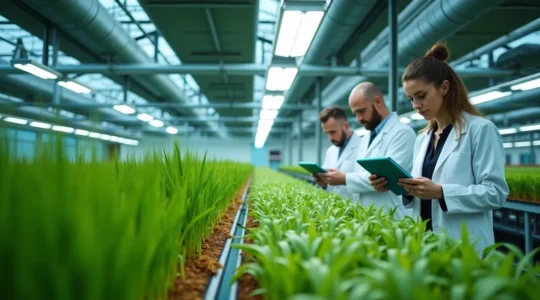
Breeding for Extremes: How to Ensure Crop Resilience Against Heatwaves and Floods?
Future-proofing crops isn’t about finding a single resilient gene; it’s about strategically managing the genetic trade-offs between survival, yield, and breeding velocity. Success requires leveraging new tools like gene editing for precision and speed, moving beyond the slower pace of…
Read more
How Can Rotational Grazing Triple Your Soil’s Carbon Storage?
Moving cattle isn’t just about fresh grass; it’s the most powerful tool we have to actively build carbon-rich topsoil from the ground up. Managed grazing stimulates deep root growth, pumping liquid carbon to feed the hidden world of soil microbes….
Read more
Agroecology vs. Conventional Farming: The Data on Profitability in Drought Years
Agroecology consistently delivers higher net profitability than conventional farming, especially in high-stress years, by transforming on-farm ecology into a measurable economic asset. It systematically reduces high-cost inputs by internalizing services like natural pest control and soil fertilization. It builds system…
Read more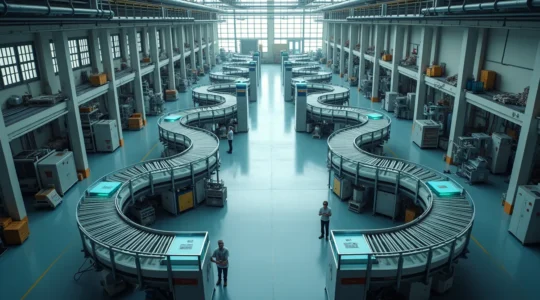
Zero-Waste Manufacturing: How to Close the Industrial Production Loop Completely?
The key to a zero-waste factory isn’t better recycling; it’s re-engineering production to treat ‘waste’ as a mislabeled, high-value asset leaking from your process. A closed-loop system is a process optimization challenge, not an environmental one, with ROI often achieved…
Read more
Virgin vs Secondary Materials: How to Overcome Quality Inconsistencies in Production?
The key to successfully using recycled materials is not better sourcing, but implementing a rigorous, data-driven process control framework to manage inherent variability. Material inconsistency is a solvable engineering problem, not a fatal flaw of recycled content. Advanced sorting technologies…
Read more
Eco-Design Principles: How to Reduce Product Impact by 80% During the Concept Phase?
Reducing a product’s environmental impact by 80% isn’t about following a green checklist; it’s about mastering the strategic trade-offs at the concept stage. Effective eco-design requires arbitrating between conflicting goals like durability versus recyclability and material purity versus performance. Design…
Read more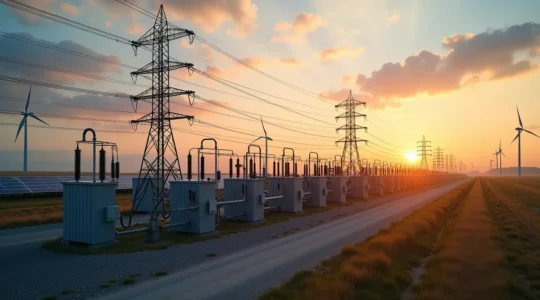
Achieving 99.9% Uptime: The Engineering Challenge of Integrating Renewables into Legacy Grids
Achieving “five nines” reliability with high renewable penetration is not about finding a single silver bullet, but about mastering a portfolio of new system stability services. The decline of synchronous generators removes critical physical inertia, which must be synthetically replaced…
Read more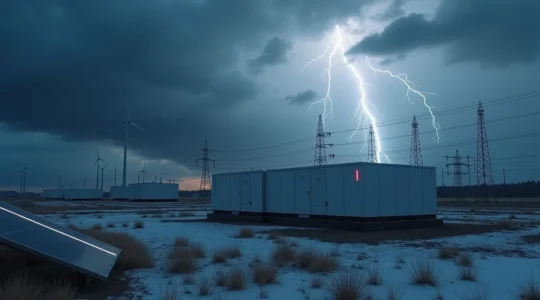
Why Decentralized Storage Is the Key to Grid Stability During Extreme Weather
Decentralized energy storage is no longer just backup power; it’s a strategic community asset essential for surviving extreme weather events. Centralized grids are inherently vulnerable to cascading failures, whereas distributed microgrids offer contained, localized resilience. The decision is not just…
Read more
How Smart Grids Reduce Energy Waste by 15% Through Real-Time Load Balancing
Achieving a 15% reduction in energy waste isn’t about building more power plants; it’s about deploying a high-frequency data feedback loop that fundamentally re-engineers both machine and human behavior. Real-time energy data creates immediate psychological feedback, proving far more effective…
Read more
Retrofit or Demolish: An Economic Framework for Carbon-Intensive Assets
The decision to decommission or retrofit a carbon-intensive plant is no longer an environmental compliance issue; it is a core financial strategy to maximize terminal asset value. Retrofitting with Carbon Capture and Storage (CCS) often proves economically unviable on older…
Read more