Solutions and transitions
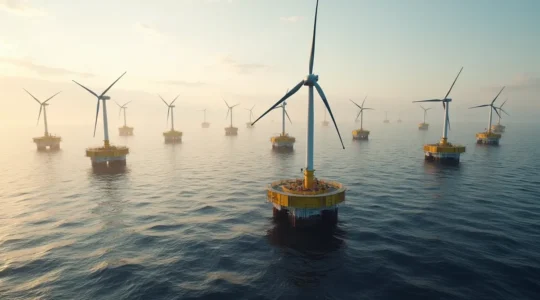
Offshore Wind Farms: Solving the Intermittency Challenge with Advanced System Design
Solving offshore wind intermittency is fundamentally a systems engineering challenge, won by integrating resilient technologies from the turbine to the grid, not by simply adding storage as an afterthought. Stable power generation is achieved by accessing superior, consistent winds in…
Read more
How to Lead a Corporate Transition to Sustainability Without Alienating Stakeholders?
The greatest barrier to corporate sustainability isn’t technology or budget; it’s the predictable, rational, and often ignored psychological resistance of the people tasked with implementing it. Middle manager resistance stems from perceived threats to their autonomy and operational stability, a…
Read more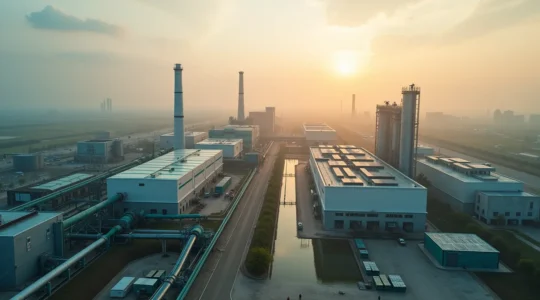
Why the “Take-Make-Waste” Model Is Bankrupting Manufacturers via Raw Material Costs?
The traditional ‘Take-Make-Waste’ manufacturing model is an obsolete operating system that actively leaks value, exposes your business to extreme risk, and is being outmaneuvered by competitors. Linear production treats finished materials as a liability (waste) instead of an asset, costing…
Read more
How Can Rewilding Projects Revitalize Rural Economies Through Ecotourism?
Rewilding transforms rural landscapes from potential liabilities into a profitable, diversified economic portfolio. It creates high-value ecotourism products by restoring natural processes and reintroducing keystone species. It generates new revenue from ecosystem services like flood control, while turning potential human-wildlife…
Read more
How to Identify Degraded Ecosystems Before the Restoration Window Closes
The greatest financial risk in land management isn’t visible degradation; it’s the failure to identify systemic ecological breakdowns just before the point of no return. Beyond visual cues, true assessment requires analyzing “silent killers” like soil compaction and disruptions in…
Read more
How to Replicate Nature’s Continuous Nutrient Cycle in Modern Agriculture?
The key to sustainable agriculture isn’t just reducing waste; it’s engineering a circular nutrient economy where “waste” becomes a more valuable asset than the raw materials it replaces. Linear “take-make-waste” models are financially unsustainable due to volatile raw material costs…
Read more