
The game you hunt or fish you catch isn’t just food; it’s a cumulative record of environmental toxins, and understanding its story is key to protecting your health.
- Fat-soluble toxins like PCBs are stored in an animal’s blubber and tissue, magnifying with each step up the food chain.
- The species, age, and geographic location of an animal drastically alter its toxin load, making informed choices critical for consumers.
Recommendation: Shift your mindset from simply eating wild game to actively managing your personal toxin exposure by choosing smaller, younger animals and avoiding known high-risk species and tissues.
For any dedicated hunter or angler, there’s a profound satisfaction in providing for yourself from the wild. It’s a primal connection to the land and water. You might have heard the general advice that “big fish have more mercury,” but this statement barely scratches the surface of a complex and critical issue for anyone consuming wild-caught food. The process is far more intricate than a simple size-to-risk ratio. The real story lies in two related but distinct concepts: bioaccumulation, where a toxin builds up in a single organism over its lifetime, and biomagnification, where that toxin becomes increasingly concentrated as it moves up the food chain.
Most public health advice simplifies this to platitudes. But for those of us who regularly consume wild game, a deeper understanding isn’t just academic—it’s a vital tool for risk management. The central truth is that many of the most dangerous toxins aren’t water-soluble; they are lipophilic, meaning they bind to fat. This single chemical property dictates why a decades-old pollutant can still be a threat on your dinner plate today.
This guide moves beyond the basics. We will not just state that predators are more toxic; we will explore the precise mechanisms that make them so. Instead of offering generic warnings, we will equip you with the knowledge of a wildlife toxicologist. You will learn why certain toxins persist for decades, how to interpret your own exposure levels, and how to make specific, intelligent choices—from distinguishing between wild and farmed salmon to understanding which cut of meat carries the highest risk. This is about transforming you from a passive consumer into an informed steward of your own health.
This article provides a detailed breakdown of the critical factors influencing toxin loads in wildlife. The following table of contents outlines the key areas we will explore to help you build a comprehensive risk assessment framework for the game and fish you consume.
Table of Contents: A Deep Dive into Toxin Pathways in Wildlife
- Why Do PCBs Persist in Blubber for Decades After Banning?
- How to Interpret Mercury Levels in Hair Analysis Reports?
- Wild Salmon vs Farmed Salmon: Which Has Lower Bioaccumulated Toxin Levels?
- The Dietary Mistake Pregnant Women Make Regarding Large Predatory Fish
- How to Use Chelation Therapy to Reduce Heavy Metal Load in the Body?
- The Tuna Consumption Error That Exposes You to High Mercury Levels
- The Tailings Dam Mistake That Risks catastrophic Environmental Failure
- Why Eating Lower on the Trophic Level Reduces Your Carbon Footprint by 50%?
Why Do PCBs Persist in Blubber for Decades After Banning?
Polychlorinated biphenyls (PCBs) represent a classic case study in persistent organic pollutants (POPs). Though banned in most Western countries in the 1970s and 80s, their chemical stability means they don’t break down easily in the environment. In fact, research from the Catalina Island Marine Institute shows they are still readily found in ocean tissues today, a testament to their longevity. The primary reason for their persistence in animals, particularly marine mammals, is their lipophilic nature—they are “fat-loving.” Instead of being flushed out of the body, they are absorbed and stored in fatty tissues like blubber.
An animal’s blubber becomes a long-term storage locker for the PCBs it encounters throughout its life via its food. This is bioaccumulation. For a top predator, which consumes many smaller animals, it ingests and consolidates the entire PCB load of all its prey. This is biomagnification. The problem, however, doesn’t end with the individual animal. This stored toxin load can be passed down through generations, creating a toxic legacy.
Case Study: Killer Whale Toxic Offloading
The mechanism of intergenerational transfer is starkly illustrated in marine mammals. Scientists studying stranded killer whales found that the concentration of pollutants was often higher in calves than in their lactating mothers. This is because the female offloads her lifelong burden of fat-soluble toxins like PCBs to her offspring through her fat-rich milk. A mother whale essentially “detoxifies” herself into her firstborn calf, which receives a massive dose of contaminants that can compromise its immune system and overall health. This demonstrates how a ban from 50 years ago has direct physiological consequences on wildlife today.
For hunters and fishers, this means the fat on an animal is not just a source of calories; it is the primary reservoir for persistent toxins. Trimming away excess fat from meat and avoiding organ meats, particularly the liver where toxins are processed, are practical harm-reduction strategies.
How to Interpret Mercury Levels in Hair Analysis Reports?
While PCBs are stored in fat, heavy metals like mercury pose a different kind of threat, primarily binding to proteins. One of the most common forms we ingest is methylmercury, found in seafood. For individuals who consume a lot of fish, especially large predatory species, monitoring personal mercury levels can be a wise precaution. A hair analysis is a common, non-invasive method for tracking long-term exposure because as hair grows, it incorporates methylmercury from the bloodstream, creating a timeline of your exposure.
Interpreting these reports, however, requires more than just looking at a single number. The context is everything. Because hair grows at a relatively consistent rate, medical evaluations indicate that a 1cm per month hair growth rate can be used as a rough guide. A test on a 3cm hair sample can give you an approximate three-month history of your mercury intake, allowing you to correlate spikes with dietary choices. Understanding this allows you to turn a simple lab report into an actionable diagnostic tool.
But the total mercury value is only part of the story. You must consider other factors, such as the protective role of other nutrients and your own personal risk profile. A level that is acceptable for a healthy adult may be dangerous for a developing fetus. The following checklist provides a framework for a more nuanced interpretation of your results.
Your Action Plan: Interpreting a Mercury Hair Test
- Identify Mercury Type: Confirm the test measures methylmercury, which primarily reflects seafood consumption. This is what hair analysis is best at detecting.
- Calculate Exposure Timeline: Use the 1cm/month growth rate to correlate mercury levels with your diet in previous months. A spike 2cm from the scalp suggests high exposure about two months ago.
- Evaluate Mercury-to-Selenium Ratio: Ask if the lab provides selenium levels. Selenium is an essential mineral that can bind to mercury, potentially neutralizing some of its toxic effects. A healthy selenium level is a protective factor.
- Consider Population-Specific Risks: Acknowledge that risk thresholds are not universal. The same level of mercury poses a much greater threat to a fetus, infant, or young child than it does to a healthy adult.
- Track Trends Over Time: A single test is a snapshot. The real value comes from multiple tests over time to see if dietary modifications (like switching to lower-mercury fish) are effectively reducing your body’s burden.
Wild Salmon vs Farmed Salmon: Which Has Lower Bioaccumulated Toxin Levels?
The “wild versus farmed” debate is a common one at the fish counter, often framed around ethics, sustainability, and taste. From a toxicological standpoint, however, the answer is not as simple as “wild is always better.” Both sources come with potential, yet different, contaminant risks. The key difference lies in their diet and environment. Wild salmon eat what their natural environment provides, while farmed salmon eat a controlled feed. This fundamental difference dictates their toxin profile.
A wild salmon’s toxin load is a direct reflection of its habitat. A salmon from the pristine waters of Alaska will have a different and likely lower contaminant profile than one from the more industrialized Baltic Sea. Conversely, farmed salmon’s primary toxin exposure comes from its feed, which has historically been made from ground-up fishmeal and fish oil. This feed can concentrate contaminants like PCBs and dioxins. The choice isn’t between a “clean” fish and a “dirty” one, but between different sets of potential contaminants.
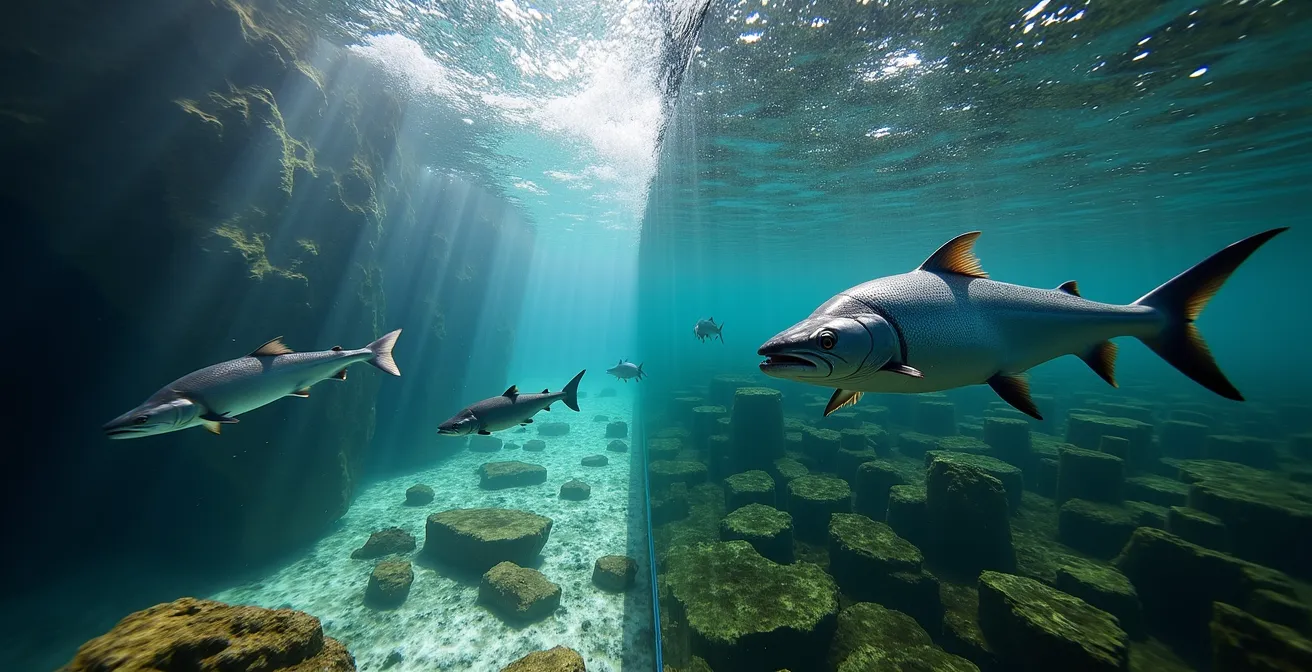
Furthermore, the fat content plays a crucial role. Farmed salmon are often higher in fat than their wild counterparts. While this means more omega-3s, it also provides more storage capacity for lipophilic toxins like PCBs. The following table breaks down the primary toxicological differences to help you make a more informed choice based on your personal risk assessment.
| Factor | Wild Salmon | Farmed Salmon |
|---|---|---|
| Primary Toxins | Environmental mercury, microplastics | PCBs, dioxins from feed |
| Fat Content | Lower (less toxin storage) | Higher (more lipophilic toxin storage) |
| Geographic Impact | Varies by water source (Alaska cleaner than Baltic) | Varies by farming regulations |
| Emerging Concerns | PFAS from global water contamination | Pesticides for sea lice, antibiotics |
Ultimately, a varied diet is a strong defense. By alternating between wild and farmed salmon, and sourcing from different geographical locations when possible, you can diversify your nutrient intake while minimizing concentrated exposure to any single class of toxins. For example, an analysis of different fish species shows that a conscious selection can significantly alter your exposure profile.
The Dietary Mistake Pregnant Women Make Regarding Large Predatory Fish
For expectant mothers, nutritional advice can feel like a minefield of conflicting information. One of the most confusing areas is fish consumption. On one hand, fish are a fantastic source of omega-3 fatty acids, which are crucial for fetal brain development. On the other hand, they can be a significant source of methylmercury, a potent neurotoxin. The common mistake is not avoiding fish altogether, but failing to distinguish between high-risk and low-risk species. Choosing the wrong type of fish can negate the developmental benefits and introduce unnecessary risk.
The principle of biomagnification is the reason for this. Large, long-lived predatory fish like shark, swordfish, and king mackerel sit at the top of the marine food web. Over their long lives, they accumulate the mercury from all the smaller fish they consume, resulting in highly concentrated levels in their tissues. This is why official advisories are so specific. For instance, according to FDA recommendations, women who are pregnant, planning to become pregnant, or breastfeeding should completely avoid shark, swordfish, king mackerel, and tilefish due to their high mercury content.
This advice, however, should not lead to the complete elimination of fish from the diet. Doing so would mean missing out on vital nutrients. The key is strategic selection. Smaller, non-predatory fish like sardines, anchovies, and wild salmon offer high levels of omega-3s with very low levels of mercury. The expert consensus is clear: the benefits of eating the right kind of fish far outweigh the risks.
As a joint expert committee from the Food and Agriculture Organization (FAO) and the World Health Organization (WHO) concluded:
The benefits of dietary omega-3s outweighed the risks of mercury exposure in childbearing women. Eating fish during pregnancy lowered the risk of delayed fetal brain development compared with pregnant women who did not eat fish.
– FAO and WHO Expert Committee, Harvard Nutrition Source
The crucial dietary choice is not “fish or no fish,” but “which fish?” Opting for smaller species lower on the food chain is the single most effective strategy for maximizing benefits while minimizing risk.
How to Use Chelation Therapy to Reduce Heavy Metal Load in the Body?
With growing awareness of environmental toxins, there’s a booming market for “detox” products and therapies. One such method that often appears in wellness circles is chelation therapy. The therapy involves administering agents that bind to heavy metals in the bloodstream, which are then excreted in urine. While this sounds like a logical solution for someone concerned about mercury from fish or lead from the environment, the reality is far more complex and dangerous. The critical mistake is viewing a potent medical intervention as a casual wellness tool.
True chelation therapy is a serious, hospital-based procedure with significant risks, reserved for specific, life-threatening situations. It is not a tool for managing chronic, low-level dietary exposure. The chelating agents are powerful and indiscriminate; they don’t just bind to toxic metals like lead and mercury, but also to essential minerals like zinc, copper, and manganese, potentially stripping the body of vital nutrients and causing severe deficiencies.
The wellness industry has co-opted the language of chelation, promoting “natural chelators” or “provoked urine tests” that are not supported by mainstream medical science. A more evidence-based and safer approach focuses on supporting the body’s natural detoxification pathways.
Case Study: Medical Chelation vs. Natural Detoxification
Intravenous (IV) chelation is a treatment for acute, severe heavy metal poisoning, such as from an industrial accident. It is not designed for, nor is it safe for, routine “detoxing” of metals acquired through diet. In contrast, research has shown that the body has its own methods for eliminating certain toxins. Studies have reported that chemicals like arsenic, cadmium, lead, and mercury are present in sweat. Other research has concluded that induced sweating, through exercise or sauna use, appears to be a potential and viable method for the elimination of substances like bisphenol A (BPA). This suggests that supporting the body’s natural excretory functions is a much safer route than attempting aggressive and risky medical interventions outside of a clinical setting.
Rather than seeking a risky quick fix, the prudent approach is to minimize exposure in the first place and support the body’s innate ability to cleanse itself through a healthy lifestyle, good nutrition, and activities that promote sweating.
The Tuna Consumption Error That Exposes You to High Mercury Levels
Tuna is one of the most popular fish in the world, prized for its flavor and protein content. However, not all tuna is created equal, especially when it comes to mercury. The most common error consumers make is assuming “tuna” is a single category. In reality, the mercury content can vary dramatically between species, from relatively low-risk options to some of the most contaminated fish in the ocean. Choosing the wrong can or steak can lead to a significant dose of methylmercury.
The difference lies in the size, lifespan, and diet of the tuna species. Smaller species like skipjack and canned light tuna are generally younger when caught and feed lower on the food chain, resulting in lower mercury levels. On the other end of the spectrum are large, apex predators like Bluefin and Bigeye tuna. These fish can live for decades, growing to enormous sizes and consuming vast quantities of other fish, causing mercury to biomagnify to alarming levels in their flesh. The numbers are stark: data from Fulton Fish Market reveals that a single serving of Bluefin tuna can contain over 300% of the daily mercury limit considered safe by environmental agencies.
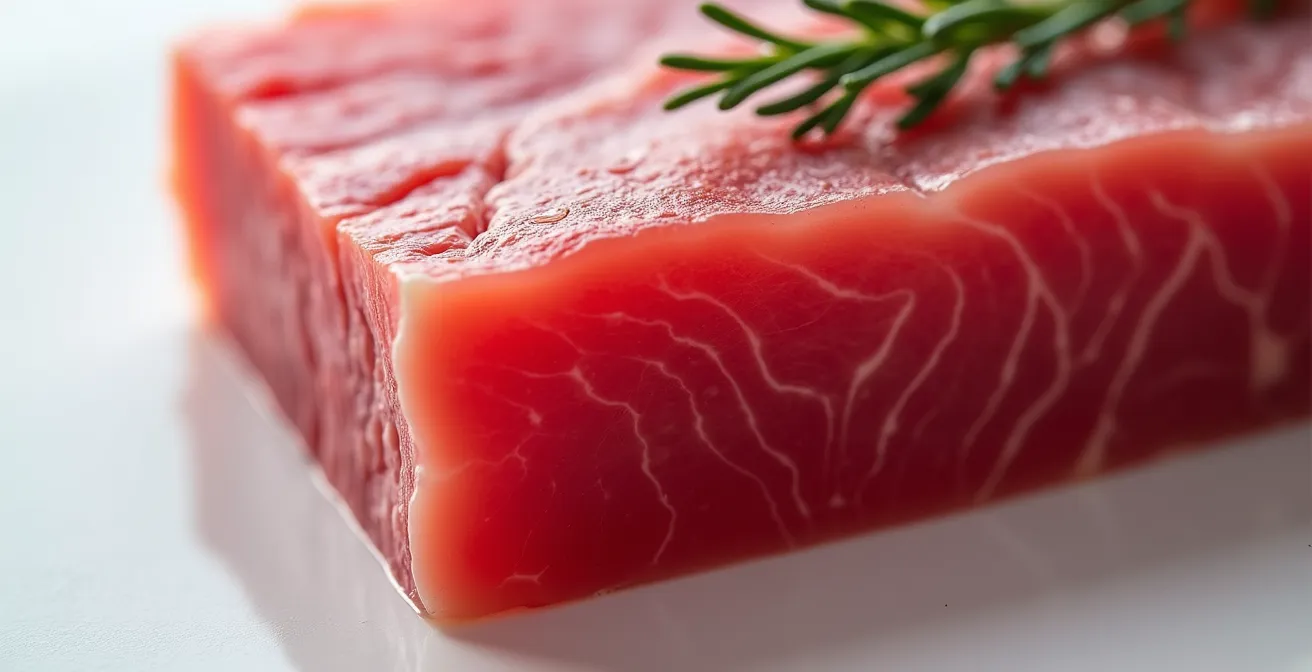
This extreme close-up of the muscle tissue is a visual reminder of what you are consuming. Within these protein fibers, mercury binds and concentrates. When you’re choosing tuna for a high-end sushi meal (often Bluefin or Bigeye) versus a simple sandwich (often skipjack), you are making a significant choice about your mercury exposure. The price difference often correlates directly with the mercury risk.
For regular consumers of wild-caught fish, this distinction is paramount. A single Bluefin tuna steak can deliver a mercury load equivalent to dozens of servings of canned light tuna. While an occasional indulgence may not be harmful for a healthy adult, frequent consumption of high-mercury tuna species is a significant and avoidable risk. The key is to be an educated consumer: know your species and choose accordingly.
The Tailings Dam Mistake That Risks catastrophic Environmental Failure
The toxins on your plate don’t always start in the water. Often, their journey begins on land, sometimes hundreds of miles away, from industrial sources. Tailings dams, massive structures used to store the toxic waste from mining operations, are a prime example. They contain a slurry of finely ground rock, water, and a cocktail of chemicals, including heavy metals like mercury, lead, and arsenic. The critical mistake in their management is designing them based on historical weather patterns, ignoring the escalating risks posed by climate change.
Modern engineering standards for these dams rely on historical data for rainfall and extreme weather events. However, climate change is making these events more frequent and more intense. A “100-year storm” may now happen every decade. When a tailings dam fails under the pressure of an unprecedented flood—a scenario happening with increasing regularity worldwide—it releases a catastrophic volume of toxic sludge into river systems. These rivers carry the contaminants downstream, eventually depositing them in coastal sediments and estuaries.
This is where the pollution enters the food web, turning a terrestrial industrial failure into a marine-biomagnification problem. The toxic materials don’t just disappear; they settle on the sea floor.
Case Study: From Dam Failure to Seafood Contamination
The pathway from a dam to your dinner is frighteningly direct. Following a dam failure, heavy metals and other pollutants build up in the sediments of river deltas and coastal areas. Marine invertebrates like worms and shellfish, which are filter feeders or live in the sediment, consume this contaminated material. They may not be harmed, but they bioaccumulate the toxins in their bodies. Then, larger fish consume these invertebrates. At each step, the toxins are reconcentrated, creating a direct and efficient pathway from the initial industrial spill to the apex predators that humans, in turn, consume. This shows that the safety of the fish you catch is intrinsically linked to industrial practices and environmental stewardship far upstream.
For the informed angler, this means that “local” isn’t always safe. The health of a fishery can be compromised by events that occurred in a different region or even a different country, connected by a shared watershed. Understanding the upstream industrial activity and environmental risks of a particular catchment area is an advanced but necessary part of a true risk assessment.
Key takeaways
- Toxins are stored, not just present: Fat-soluble chemicals like PCBs are locked away in an animal’s fat, meaning the fattiest cuts carry the highest risk.
- Risk is manageable: You can actively reduce your exposure by making smart choices about the species, size, and geographic origin of the animals you consume.
- The environment is interconnected: A distant mining operation or a decades-old chemical ban can have a direct and measurable impact on the safety of the food on your plate today.
Why Eating Lower on the Trophic Level Reduces Your Carbon Footprint by 50%?
The principles that drive biomagnification of toxins are deeply connected to the fundamental laws of energy flow in an ecosystem. This connection reveals a powerful truth: the same dietary shift that dramatically lowers your toxin exposure can also significantly reduce your environmental footprint. The core concept is the “trophic level,” which is an organism’s position in the food chain. Plants (primary producers) are at level 1, herbivores at level 2, and carnivores at levels 3 and up.
The transfer of energy between these levels is incredibly inefficient. As a rule, ecological research shows that only about 10% of the energy from one trophic level is incorporated into the next. To create 1kg of a predator, it takes roughly 10kg of its prey. This 90% loss of energy at each step means that producing food at higher trophic levels requires a vastly larger base of resources, which translates directly to a larger carbon footprint.
This energy pyramid is mirrored by the toxin pyramid. While 90% of the energy is lost at each step, close to 100% of the persistent, fat-soluble toxins are retained and passed on. This is why eating “lower on the food chain” is such a potent strategy for both personal and planetary health. A meal centered on plants or primary consumers has a lower environmental cost and a lower toxin risk compared to a meal centered on an apex predator, as the following comparison illustrates.
As data from environmental agencies illustrates, the choice of meal has cascading effects. A tuna steak not only carries a higher mercury risk but also embodies a much larger carbon footprint than a lentil or chicken dish because of the energy inefficiencies in its creation.
| Meal Choice | Carbon Footprint (kg CO2e) | Mercury Risk | Trophic Level |
|---|---|---|---|
| Lentil Curry | 0.9 | None | Primary Producer |
| Chicken Breast | 6.9 | Minimal | Primary Consumer |
| Tuna Steak | 15.8 | High | Apex Predator |
Ultimately, understanding biomagnification provides you with a unified framework for making healthier and more sustainable choices. By choosing smaller, younger fish or simply incorporating more plant-based meals, you are not only protecting your own body from a concentrated toxic load but also reducing your demand on the planet’s resources.
Frequently Asked Questions on Why Top Predators Contain 10x More Toxins Than Their Prey?
Can chelating agents harm the body?
Yes, chelating agents are indiscriminate and can strip essential minerals like zinc, copper, and manganese, leading to severe deficiencies.
Do natural chelators like chlorella work?
While they support natural detoxification pathways, there’s no robust clinical evidence they perform active chelation like medical drugs.
What about provoked urine tests?
Mainstream medical bodies reject this practice as it doesn’t reflect the body’s total toxic burden and can be misleading.